EU Clears AkzoNobel-Axalta $25 Billion Deal With Refinish Unit Sale
The EU approved the $25 billion AkzoNobel-Axalta merger on Nov. 6 if AkzoNobel sells its European car refinish unit. Closing is expected in early 2027.
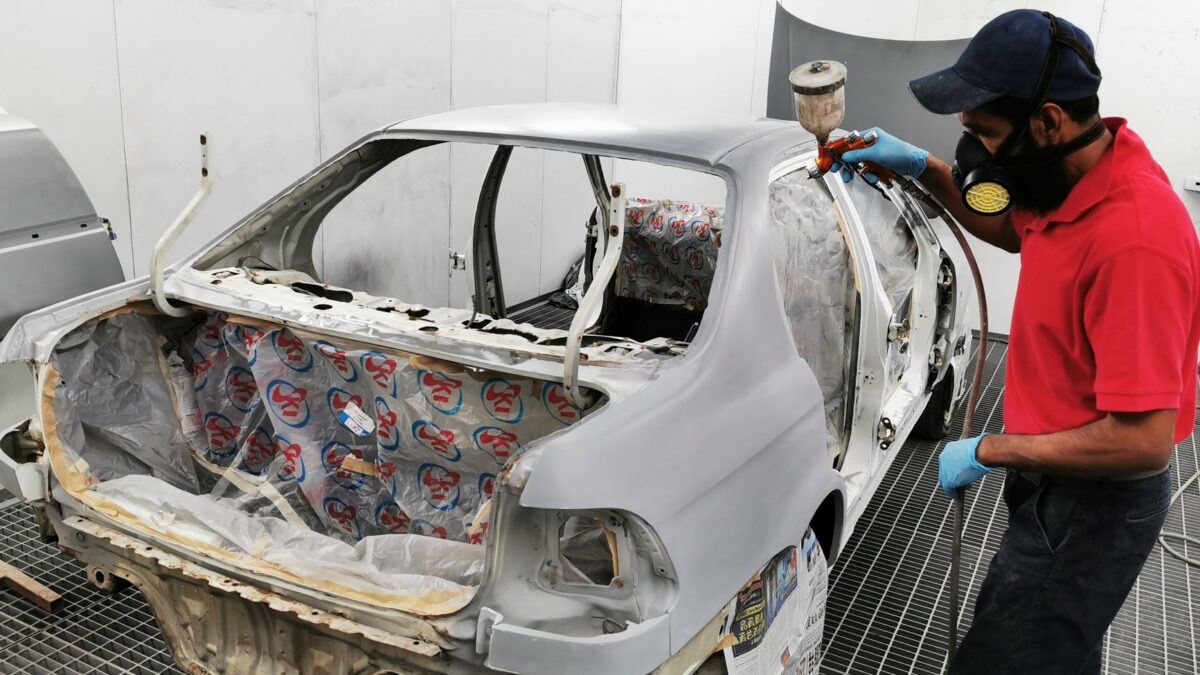
The European Commission approved the $25 billion merger of Dutch paint maker AkzoNobel and U.S.-based Axalta Coating Systems on Nov. 6, after AkzoNobel agreed to sell its European automotive refinishing coatings business. The decision removes one of the main regulatory obstacles to the all-stock deal, which the companies expect to close in early 2027.
The condition targets a narrow corner of the market: the paints and coatings that body shops use to repair damaged or worn cars, according to Reuters.
What Brussels required
EU regulators worried that putting the two companies together would give the combined business too much power over automotive repair coatings in Europe. The fear was higher prices or lower product quality for repair shops, PYMNTS.com reported.
To answer those concerns, AkzoNobel will divest its European vehicle refinishing operations. The buyer cannot be just anyone: under the Commission’s conditions, it must already be active in coatings production or in a closely related industrial sector, Reuters reported. The aim is to keep an independent competitor in the European refinish market.
Teresa Ribera, the European Commission’s competition chief, said the commitments were meant to stop the merged supplier from using greater market power to push up car repair costs or weaken product quality, according to Reuters.
Reuters reported in October that European approval would likely hinge on AkzoNobel agreeing to sell its vehicle refinishing business, and the Nov. 6 decision made that a formal condition.
The deal itself
AkzoNobel and Axalta announced the all-stock combination in November 2025. In an all-stock deal, shareholders receive shares in the combined company rather than cash. The two companies sell coatings for cars, aircraft, industrial uses and consumers.
The merged group is expected to bring in about $17 billion in annual revenue, the companies said in a Nov. 6 announcement filed with the U.S. Securities and Exchange Commission. AkzoNobel, whose brands include Dulux, has a large international business in decorative and industrial paints. Axalta has a strong position in the U.S. market.
The companies said in their joint announcement that the European remedy dealt with the competition issues the Commission identified while keeping the broader benefits of the combination.
The coatings industry is facing rising operating costs, shifting trade policies and uncertainty over U.S. tariffs, Reuters reported. A bigger company can spread research, production and distribution costs over more customers. The combined business will compete with BASF’s coatings operations, Nippon Paint, Sherwin-Williams and Kansai Nerolac, according to Reuters.
What it means for shareholders and repair shops
For Axalta and AkzoNobel shareholders, the EU decision gives the deal a clearer path, since the remedy is limited to one business segment instead of a block on the whole transaction. The structure of the deal does not change: it remains an exchange of stock.
For European car repair shops, the sale is meant to keep a separate refinish supplier in the market, which regulators see as the protection against price rises or weaker products. No buyer has been named, and the sale price has not been disclosed.
The ruling also shows how European competition authorities handle large cross-border mergers: they can demand the sale of specific assets where two companies overlap and let the rest of the deal go ahead.
What happens next
AkzoNobel must find a qualifying buyer for its European refinish coatings business. The merger still needs other regulatory approvals and must meet the remaining closing conditions. The companies expect to complete the combination in early 2027.
Source: PYMNTS.com