Coreshell Raises $30 Million Series B for Silicon-Anode Batteries
Battery maker Coreshell closed a $30 million Series B co-led by Ferroglobe and Access Industries. The round follows a $50 million Energy Department grant.
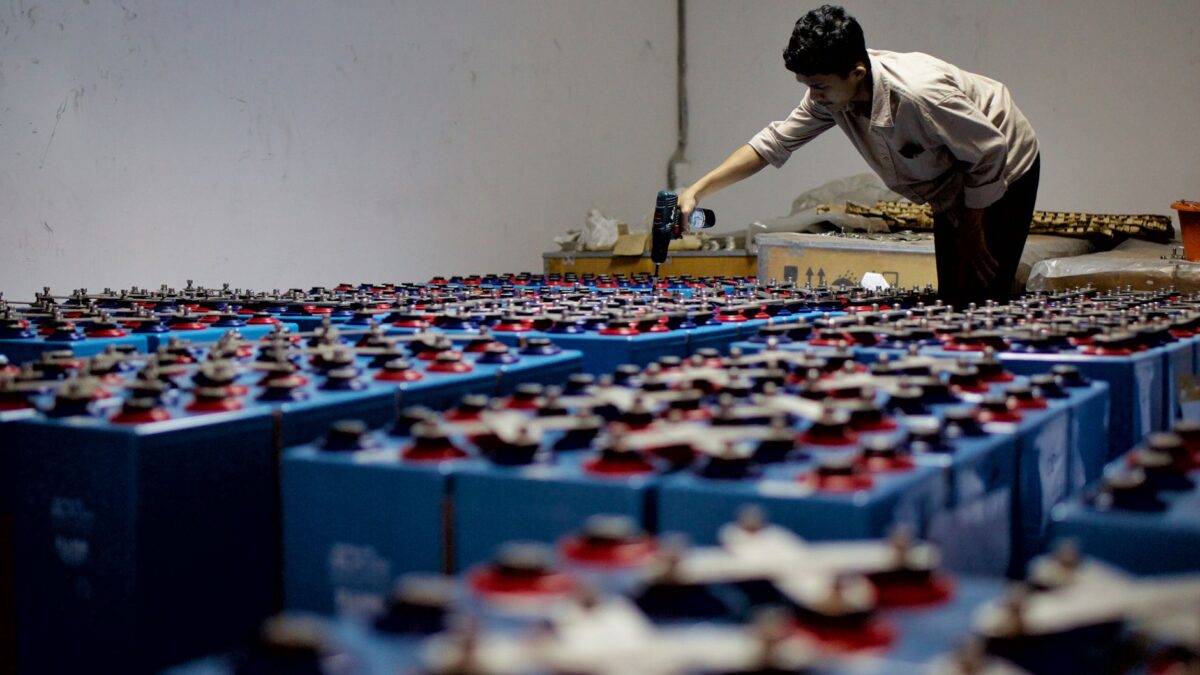
Coreshell Technologies, a battery company based in San Leandro, California, said Nov. 11 that it closed a $30 million Series B financing round. Ferroglobe PLC (NASDAQ: GSM) and Access Industries co-led the round, according to the company’s announcement on PR Newswire.
The money is meant to speed up commercialization and scale-up of Coreshell’s battery technology, expand manufacturing and customer programs, and move the company toward batteries that do not depend on China for critical materials in either the anode or the cathode.
Who put money in
Besides the two co-leads, the round drew participation from ADS, Helios Ventures, Pegasus Tech Ventures, Mana Ventures and Entrada Ventures. The company did not disclose a valuation. For readers new to the term, a Series B round is a later-stage raise that companies typically use to grow production and sales after proving the basic product.
The round follows a $50 million grant from the Department of Energy in August. Coreshell said it is using that grant to build what it calls the first giga-scale factory for cells with anodes made from metallurgical silicon, known as MGS.
What the batteries replace
Conventional lithium-ion batteries use graphite in the anode. According to the company, more than 90 percent of the world’s graphite is processed in China, and the country tightened its graphite export controls in 2023. Coreshell says that concentration leaves battery makers and their customers exposed to disruptions they cannot control.
Coreshell swaps graphite for MGS, a raw, commercially produced form of silicon that the company says is made in the U.S. and costs less than the silane-based silicon materials used in other silicon-anode cells. On the cathode side, the company said an agreement with L&F Co., Ltd gives it long-term access to lithium.
Why it matters for defense and industry buyers
Coreshell said manufacturers in defense, automotive, data centers and other industries are looking for domestic sources of critical materials. It pointed to federal sourcing requirements, including those under the National Defense Authorization Act, along with new procurement policies and White House measures, as forces speeding that shift. In defense, the company said, meeting a sourcing rule alone may not protect a manufacturer from supply-chain disruption.
Jonathan Tan, Coreshell’s CEO and co-founder, said meeting sourcing requirements “doesn’t necessarily mean a battery supply chain is secure.” Dave Bellis of ADS, which the announcement describes as the top supplier to the Defense Logistics Agency, said the batteries powering uncrewed systems cannot be a geopolitical liability.
What to watch
All of the performance and cost claims come from Coreshell and its investors, and the announcement gives no production dates or customer contracts. The next concrete step the company describes is the factory being built with the Energy Department grant. Coreshell works with battery manufacturers, automakers and defense customers.
Source: PR Newswire