Merger Lawsuits by Shareholders: Disclosure Claims, Fees and Payouts
Most shareholder merger lawsuits end with added proxy disclosures and a mootness fee for the lawyers. Cash payouts are rarer and come years later.
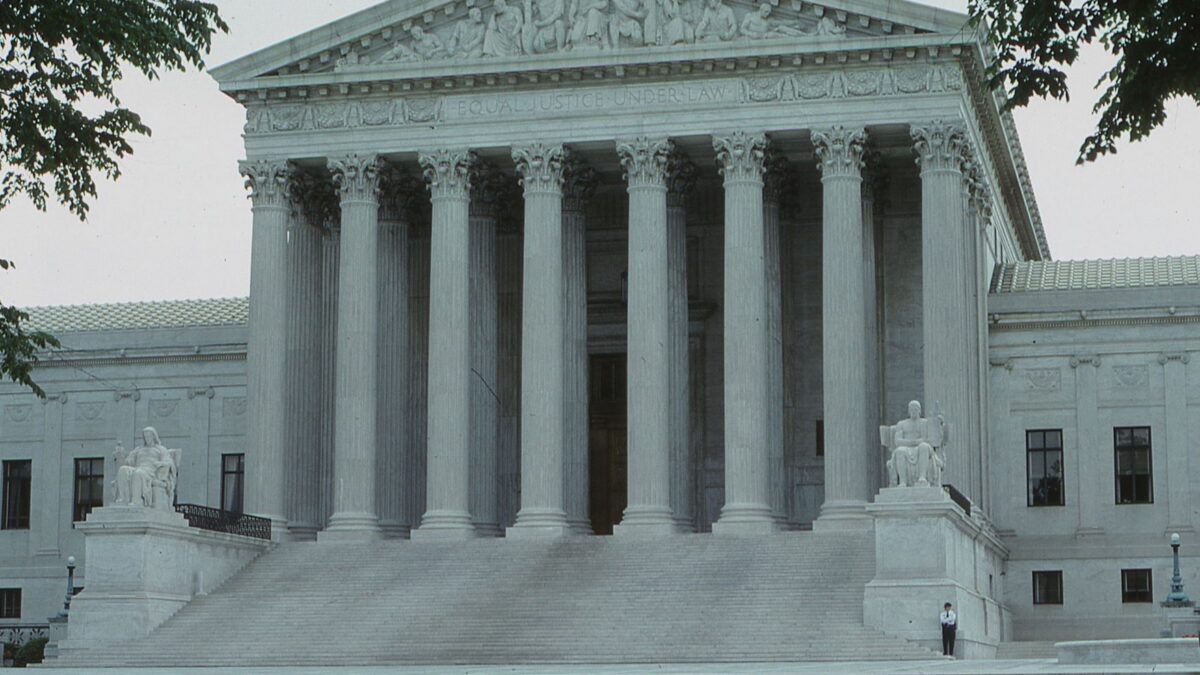
Most shareholder lawsuits filed after a US public company merger is announced are disclosure claims: they say the proxy statement left out information holders need before they vote. The usual outcome is that the company adds a few paragraphs to its filings, the plaintiff drops the case, and the company pays the plaintiff’s lawyers a negotiated “mootness fee”. Shareholders receive money only in the smaller group of cases that allege an unfair price or a conflicted sale process, and those payouts typically arrive years after the deal closes.
Why does almost every merger draw a lawsuit?
A merger announcement gives plaintiffs’ law firms a fixed deadline and a long public document to pick apart. Within days of a deal, firms publish press releases saying they are “investigating” whether the price is fair. Those notices are advertisements for clients. A firm needs at least one shareholder to file a complaint, and holding even a few shares is enough.
The complaint normally lands after the company files its preliminary proxy statement, or the registration statement on Form S-4 when the buyer pays in stock. The deal’s price, termination fee and any go-shop period are described there, and the site’s guide to breakup fees and go-shops in plain English explains how those terms work. The plaintiff then has leverage because a shareholder vote is scheduled and a court could, in theory, delay it.
What is a disclosure claim?
A disclosure claim says the proxy statement is misleading because it omits material facts. In federal court these cases are brought under Section 14(a) of the Securities Exchange Act and Rule 14a-9, which bar false or misleading statements in proxy materials. In state court the same complaint is framed as a breach of the directors’ duty of disclosure.
The alleged gaps are similar from deal to deal:
- management’s financial projections, or line items within them, that the bankers used
- inputs to the fairness opinion, such as discount rates and the multiples of comparable companies
- fees the financial adviser earned from the buyer in past years
- details of who approached whom, and whether other bidders signed standstill agreements
- talks about jobs or equity for the target’s executives after closing
The complaint asks the court to block the vote until the company fills the gaps. Courts rarely grant that. In most cases no judge ever rules on whether the missing details were material.
What is a mootness fee?
A mootness fee is a payment the company makes to the plaintiff’s lawyers after it voluntarily adds the requested disclosures, which makes the claim moot. The company files the extra information in a supplement, often on Form 8-K or as additional proxy material, usually a week or two before the vote. The plaintiff then dismisses the case, and the dismissal binds only that plaintiff. Other shareholders give up nothing.
The fee is negotiated privately. Companies pay it because it costs less than litigating, and because buyers want no open lawsuit on closing day. Shareholders get the supplemental disclosures and no cash.
This practice grew after the Delaware Court of Chancery decided In re Trulia in 2016. Before then, the standard ending was a “disclosure-only settlement”: extra disclosures, a court-approved fee, and a release of claims on behalf of the whole class. Trulia said the court would stop approving those settlements unless the added disclosures were plainly material and the release was narrow. Many filings then moved to federal courts as individual Section 14(a) suits ending in mootness fees, which need no class settlement. Some judges have pushed back on that too. The US Court of Appeals for the Seventh Circuit, in a 2016 case over the Walgreens deal, called disclosure settlements that give shareholders nothing of substance “no better than a racket”, and the Delaware Court of Chancery said in 2023 that it would look harder at mootness fee requests brought to it.
When do shareholders get paid?
Cash goes to shareholders when a case attacks the price or the fairness of the process and survives a motion to dismiss. Those claims are harder to bring and take longer. The common types are:
- Controlling stockholder buyouts. When a controlling holder buys out the minority, courts can review the deal for “entire fairness” of price and process unless it was approved by both an independent special committee and a majority of the minority shares.
- Conflicted sales. These suits allege that directors, executives or bankers steered the company to a favored buyer for personal reasons and hid the conflict from holders.
- Appraisal. In a cash merger of a Delaware company, a holder who does not vote for the deal and follows the steps in Section 262 of the Delaware General Corporation Law can ask the court to set the “fair value” of the shares. The court’s figure can be above the deal price, equal to it or below it.
A clean vote makes a damages case much harder. Under Delaware’s 2015 Corwin decision, a merger with no controlling stockholder that is approved by a fully informed, uncoerced vote of disinterested holders gets the protection of the business judgment rule. That is one reason plaintiffs focus on disclosure: a flawed proxy statement is their way around Corwin.
How does a class action payout reach you?
A class settlement is paid to the people who held the stock during the class period, which usually runs from around the announcement to the closing. For shares held at a broker, a claims administrator mails a notice that describes the settlement, the lawyers’ fee request, the deadline to object and the date of the court’s fairness hearing. Some settlements pay holders of record automatically through brokers. Others require a claim form with proof of holdings.
The court awards attorneys’ fees out of the fund, and the remainder is split per share. Selling before closing can reduce or remove a holder’s share, depending on how the class is defined in the notice. The tax treatment of a settlement check depends on what the payment replaces, so keep the notice with the records of the deal. The basics for the merger itself are in the article on how cash, stock and mixed mergers are taxed.
What should a shareholder do after seeing a lawsuit notice?
A law firm’s “investigation” press release requires no response, and ignoring it does not affect any later class recovery. Class members are included automatically unless they opt out, where opting out is allowed.
- Read the supplemental disclosures before voting. They are free on the Securities and Exchange Commission EDGAR system under the company’s name.
- Check the proxy statement’s litigation section, which lists the suits filed and the courts they are in.
- Keep trade confirmations and account statements that show your shares on the record date and at closing.
- Read any court-ordered notice in full. Deadlines for claims, objections and appraisal demands are strict.
- Talk to a securities lawyer before seeking appraisal, because a missed step forfeits the right.
Quick answers
Can a shareholder lawsuit stop a merger?
Rarely. Courts seldom enjoin a shareholder vote over disclosure claims, and companies usually moot the issue by adding the information. Regulators and the shareholder vote itself block far more deals than private lawsuits do.
Who pays the mootness fee?
The target company or its insurer pays, and after closing that cost sits with the combined company. The fee does not come out of the merger price paid to shareholders.
Do I have to join a merger class action to be paid?
No. If a class is certified and a settlement approved, eligible holders are included by default. Some settlements still require a claim form by a stated deadline before any money is sent.
Does a lawsuit change the deal price?
A disclosure suit does not. The price changes only if the buyer raises its offer, which occasionally happens as part of settling a price or process case before closing.