Hormel Foods Closes $1.055 Billion Brakebush Brothers Deal
Hormel Foods completed its $1.055 billion purchase of chicken processor Brakebush Brothers on Nov. 16, and expects to say more on Dec. 3.
Hormel Foods has finished buying Brakebush Brothers, LLC. The company announced the completion on Nov. 16, 2026, and said the price was approximately $1.055 billion.
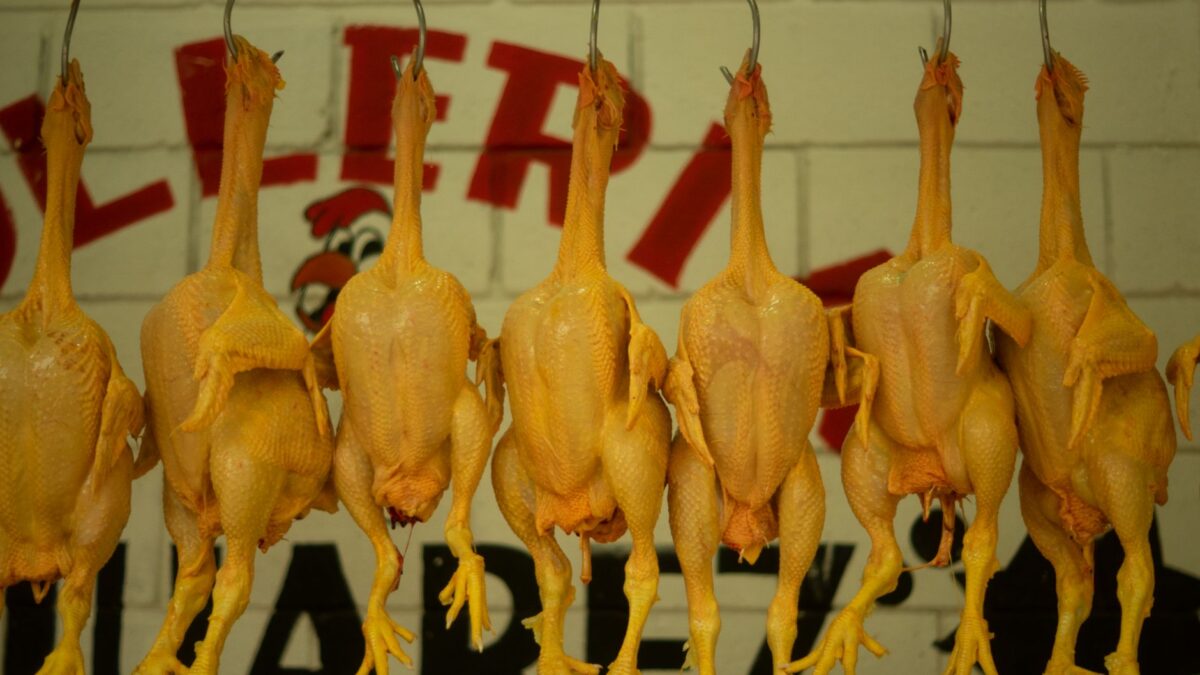
Hormel expects the purchase to roughly triple its chicken business measured by net sales. Brakebush sells further processed chicken to restaurants and other foodservice customers.
What Hormel bought
Brakebush describes itself as a provider of value-added chicken: products that have been processed beyond the raw bird. Its customers are national and regional foodservice operators. The company was founded in 1925 and is headquartered in Westfield, Wis.
Beyond its home base, Brakebush has facilities in Mocksville, N.C.; Irving, Texas; Wells, Minn.; and Hartwell, Ga. Hormel, which is based in Austin, Minn., did not say in its announcement what will happen to any of those sites.
Hormel first announced the agreement on Sept. 30, 2026. The deal is now closed.
Why it matters for Hormel’s Foodservice business
Hormel called value-added chicken an important growth area within protein. The company pointed to strong demand from customers and foodservice operators. It said Brakebush brings category expertise, customer relationships and a direct sales organization, all of which it expects to strengthen its Foodservice business.
For people who work at Brakebush or buy from it, the release offers few specifics. Hormel’s chief executive, John Ghingo, said in the announcement that the company is glad to welcome the Brakebush team. He tied the deal to Hormel’s long-term growth strategy. The release did not describe job plans, plant changes or pricing for customers.
Hormel shareholders should note that the company has not yet laid out how the acquisition will affect its financial results. The forward-looking statements in the release list several risks the company sees. They include whether Hormel can integrate Brakebush’s operations, whether it can manage any additional debt and pay it down, and whether it can keep and hire key personnel. Hormel also listed the possibility of unforeseen liabilities and of legal proceedings related to the deal.
The purchase is one example of the buyer-and-target structure covered in our explainer on how mergers and acquisitions differ: Hormel bought a company outright for a stated price, and Brakebush now sits inside Hormel.
What to watch next
Hormel said it plans to give more detail on the acquisition during its fourth-quarter earnings call on Dec. 3, 2026. The company said it will also present its fiscal 2027 outlook on that call.
Hormel describes itself as a global branded food company with brands that include Planters, Skippy, Spam, Applegate, Wholly, Columbus and Jennie-O. Brakebush is a different kind of business from most of those: it sells to foodservice operators rather than to shoppers at the grocery store, which is part of why Hormel is pointing to its Foodservice unit when it explains the purchase.
Source: PR Newswire