Escrow and Holdbacks in an Acquisition: Why Payouts Come Later
An escrow or holdback keeps part of an acquisition price from sellers for a set period. Here is how they work, who gets paid, and what happens to taxes.
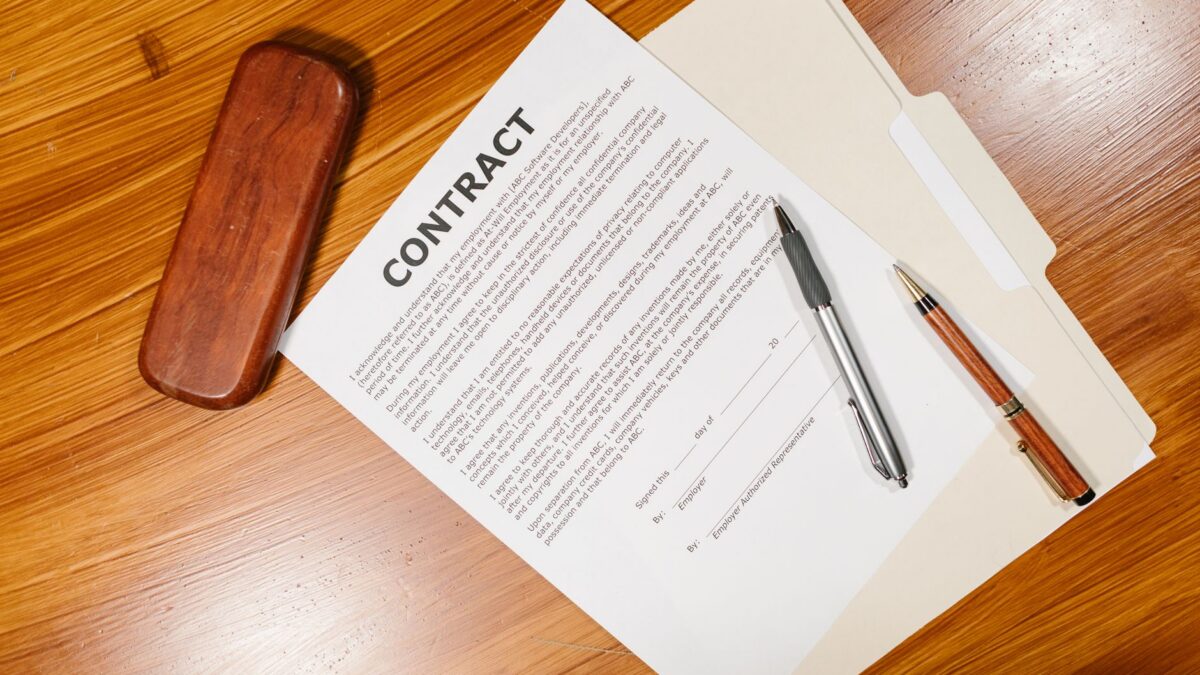
An escrow or holdback is a portion of an acquisition price that the buyer keeps back, or places with a neutral third party, for a fixed period after closing. If nothing goes wrong, the money is released to the sellers. If the buyer finds a covered problem, such as a misstated financial figure or an undisclosed debt, it can be paid out of that pool instead. Shareholders and employees with vested stock in a private company often see the effect as a smaller first payment and a later second one.
The delay is written into the merger agreement, and it applies to everyone who receives deal proceeds, including option holders who exercise or cash out at closing. The terms differ from deal to deal, so the agreement and any shareholder or equity holder notice are the documents that give your actual numbers and dates.
What is the difference between an escrow and a holdback?
An escrow is held by an independent escrow agent, usually a bank or trust company, under a separate agreement signed by the buyer, the sellers’ representative and the agent. A holdback is simply money the buyer does not pay at closing and keeps on its own books. Both serve the same purpose, but an escrow protects the sellers if the buyer runs into financial trouble, because the money sits outside the buyer’s accounts.
Terms also overlap with earnouts, which are different. An earnout depends on the business hitting targets after the sale. An escrow or holdback depends on whether the seller’s promises about the business turn out to be accurate. Many deals include more than one of these pieces, and each has its own release rules.
Why do buyers keep part of the price?
Buyers keep part of the price because they cannot fully check a private company before they buy it. The seller makes written statements, called representations and warranties, about things like financial statements, taxes, contracts, intellectual property and pending lawsuits. If one turns out to be wrong, the buyer has a claim. Having cash already set aside makes that claim easy to collect, without chasing hundreds of former shareholders to return money they have already received.
The same pool often covers a working-capital adjustment. Deals set a target for cash and short-term assets at closing, and after closing the buyer calculates the actual figure. If it comes in below the target, the difference is taken from the held-back amount. If it comes in above, the sellers may receive extra.
How much is usually held back, and for how long?
There is no legal standard. In private company deals, the held-back share is commonly somewhere around 10 percent to 15 percent of the price, and the holding period is commonly 12 to 18 months, though both can be lower or higher. Buyers that carry representations and warranties insurance often hold back much less, because the policy covers part of the risk. Larger or riskier deals, and deals where the seller’s financial records are thin, tend to have bigger and longer holds.
Some items are held longer than the general period. Tax matters and fundamental representations, such as who owns the shares, can stay open for years under the agreement. Those are normally covered by separate terms rather than by the main escrow.
How does it affect shareholders and employees with equity?
Each holder’s share of the escrow is generally proportional to the share of the proceeds they receive. If you own 1 percent of the sale proceeds, then about 1 percent of the pool is yours, and the first payment you receive is reduced by that amount. Employees who hold stock options receive their payout net of the exercise price and, in many deals, subject to the same escrow percentage.
Some points are worth finding in the paperwork:
- The percentage held back and the date or dates when it is released.
- Who decides on claims. Usually a sellers’ representative acts for all holders, and you cannot negotiate individually.
- Whether your payout depends on staying with the company. Some deals pay part of the proceeds to employees on a vesting schedule, which is separate from the escrow.
- Whether interest earned on the escrow account is paid to holders.
- What happens to unclaimed amounts, and whether claims can use the whole pool or only part of it.
Stock options add a tax layer. For background on how exercise can trigger tax, see how the alternative minimum tax applies to incentive stock options. A tax adviser who has read your deal documents can say how your own payout is treated.
How are escrowed amounts taxed?
For US holders, the tax treatment of money still in escrow depends on how the deal is structured. Often the sale is reported under the installment method, which lets the seller report gain as payments are actually received, although deal terms and individual circumstances can change that. The Internal Revenue Service explains the basic rules for installment sales. Part of each later payment may also be treated as interest for tax purposes. Holders in other countries, or with special equity arrangements, can face different rules, so a professional opinion is worth getting before filing.
What happens when the escrow is released?
At the end of the holding period, the escrow agent checks whether any claims are pending. Money not tied to a claim is sent to the sellers, normally through the paying agent used at closing, in proportion to each holder’s share. If a claim is still open, only the disputed amount stays in escrow until it is resolved by agreement between the buyer and the sellers’ representative or, if they cannot agree, through the dispute process in the contract.
Disputes are not common in most deals, but they do happen, and they can delay payment past the stated date. Shareholders who think a deal was handled unfairly sometimes bring separate suits, which is a different matter from an escrow claim. One overview is merger lawsuits by shareholders.
Quick answers
Is escrowed money guaranteed to come back?
No. The money returns to the sellers only to the extent the buyer has no valid claim against it. Claims are limited by the terms of the agreement, including caps and time limits, but any approved claim reduces what holders receive.
Does the structure of the deal change this?
Yes. The form of the transaction affects how holders are paid and who signs what. For the basic types, see merger vs acquisition vs consolidation. Public company deals rarely use escrows, because public shareholders usually receive full payment at closing and the buyer relies on other protections.
Can I sell my right to the escrowed amount early?
Generally not. Rights to escrow payments are usually restricted by the merger agreement, and transfers may be limited to estates or trusts. Check the agreement before assuming that a sale or pledge is possible.
Where do I find my actual numbers?
The merger agreement, the escrow agreement and the notice sent to holders list the percentage, the agent and the release dates. If you hold equity and cannot find them, ask the company’s finance team or the sellers’ representative named in the documents.