Texas Pacific Land Buys EagleRock in $3 Billion All-Stock Deal
Texas Pacific Land agreed to buy EagleRock Land for about $3 billion in stock. See the exchange ratio, shareholder split, water capacity and closing timeline.
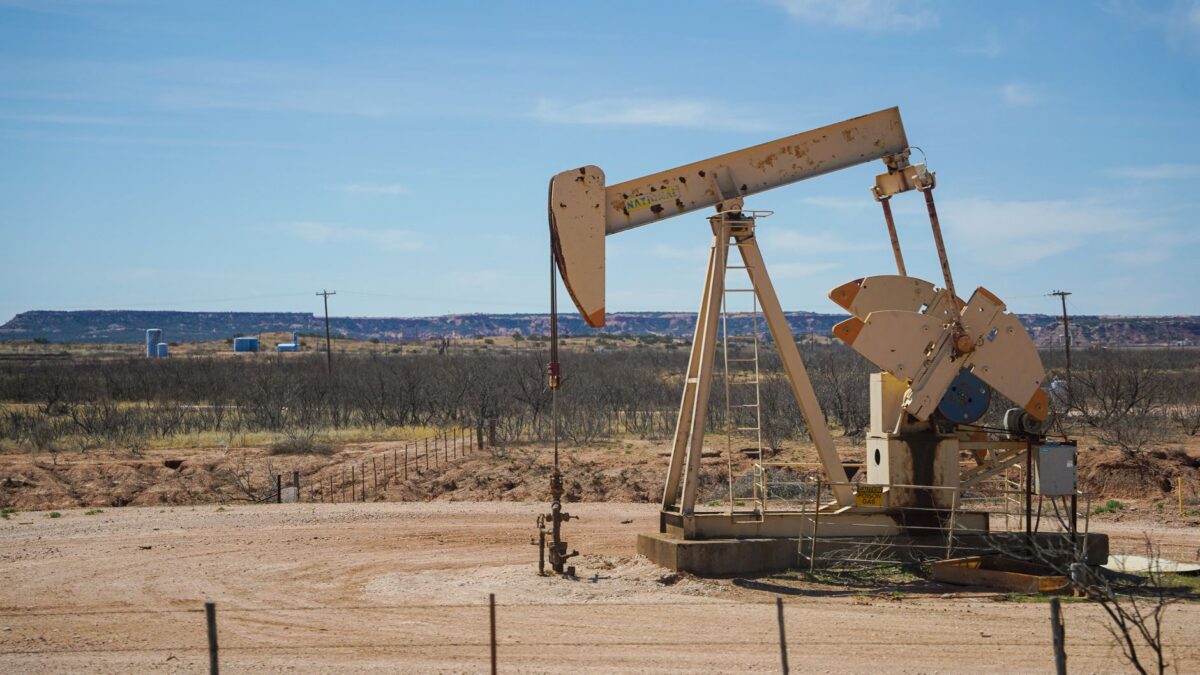
Texas Pacific Land is buying EagleRock Land, paying entirely in shares, in a deal Pulse 2.0 puts at roughly $3 billion of implied equity value. The two companies expect to complete it in the first half of 2027.
The purchase gives Texas Pacific Land more surface land and water infrastructure in two parts of the Permian Basin, the Delaware and Midland basins, which together make up the main oil region of West Texas and southeastern New Mexico.
The terms for shareholders
A new holding company will sit on top of both businesses. Each EagleRock Class A share would be swapped for 0.0831 shares of that holding company, and EagleRock’s operating company units get the same ratio. Measured against Texas Pacific Land’s five-day volume-weighted average price on Nov. 20, that works out to about $23.56 for every EagleRock Class A share.
Texas Pacific Land holders would get one new share per share they own now, and the new parent is expected to keep the Texas Pacific Land Corporation name. On a fully diluted basis, current Texas Pacific Land investors would end up with about 86% of the merged group.
The boards of both companies backed the agreement without dissent. Holders controlling more than 50% of EagleRock’s voting power have already signed support agreements.
What the combined company would hold
After the merger, the group would control around 1 million acres of fee-owned surface land, and a further 105,000 acres set aside for water services. About 59,000 of those fee-owned acres come from EagleRock, most of them in Lea County, New Mexico. According to Texas Pacific Land, that county alone is responsible for about 25% of the Permian’s horizontal well permits and 20% of the water used to complete wells there.
On the Midland side, Texas Pacific Land’s surface holdings would grow by close to 40%, and it would pick up long-term water services contracts with Double Eagle.
Water is a large part of the logic. Combined capacity for supplying non-potable water and treating produced water would reach about 1.5 million barrels a day, up 49% on a pro forma basis. Storage would climb 79%, to roughly 68 million barrels.
Why it matters
Texas Pacific Land owners give up part of their stake: new shares are issued, and they would hold about 86% of the larger company instead of all of it. EagleRock owners trade their current shares for stock in the new parent at the fixed ratio, so the value they receive moves with Texas Pacific Land’s share price until closing.
Management puts the possible yearly gain at about $45 million, split between $20 million of corporate cost savings and $25 million of extra revenue. These are the company’s own projections, not audited results.
Texas Pacific Land chief executive Tyler Glover said the purchase fits the company’s goal of building the “premier land, water and royalty platform” in the Permian and gives it a foothold in busy drilling areas where its older acreage is thin. Greg Pipkin, who runs EagleRock, said the combination would let his company offer customers a wider range of services.
In a separate move, Texas Pacific Land lifted its share buyback authorization to $500 million.
What happens next
Before the deal can close, EagleRock shareholders must vote in favor, U.S. antitrust regulators must finish their review, and the usual closing conditions have to be met. The target remains the first half of 2027.
Source: Pulse 2.0