IPO Roadshow Explained: Who Attends and How the Order Book Is Built
An IPO roadshow is a one to two week marketing run before pricing. See who attends, how bankers build the order book and how the price is set.
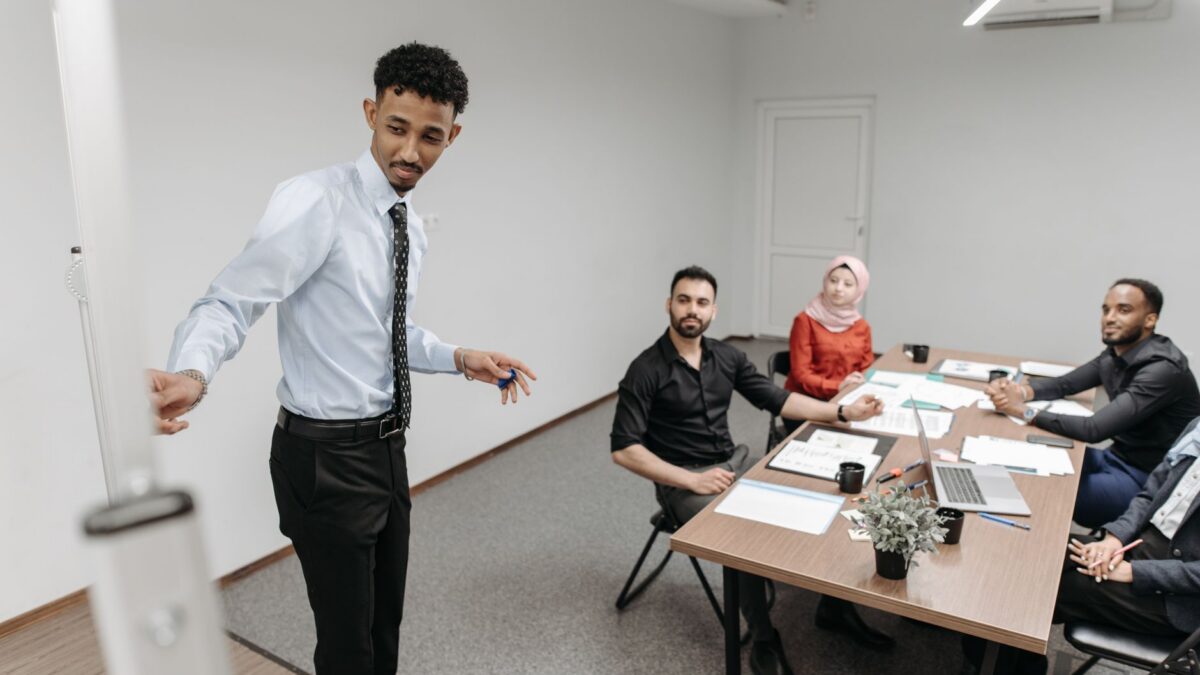
An IPO roadshow is the marketing period, usually lasting about one to two weeks, between the day a company files its price range with the SEC and the night its shares are priced. During the roadshow, the company’s top executives and its underwriting banks present to institutional investors, collect indications of interest and use that demand to build an order book. The final IPO price and the number of shares sold are set from that book, typically on the evening before trading starts.
When does the roadshow start?
The roadshow starts once the SEC has finished most of its review of the registration statement and the company files an amended S-1 that includes a price range per share and the number of shares on offer. That amended filing comes with a preliminary prospectus, often called the red herring, which is the main document investors read during the meetings. The months of drafting and SEC comments that come before this point are covered in our guide on how long an IPO takes after an S-1 is filed.
A company announcing a launch usually states three numbers: the share count, the price range and the exchange ticker. A recent example was Anthropic setting a $70 to $78 range as its roadshow opened.
Who attends roadshow meetings?
Roadshow meetings are mostly for large institutional investors. The typical audience includes:
- mutual fund and pension fund portfolio managers
- hedge funds
- sovereign wealth funds and other large international investors
- insurance companies and asset managers
The company is represented by its chief executive and chief financial officer, sometimes joined by the founder, the chair or a product head. Bankers from the lead underwriters set the schedule and sit in on the meetings. They decide which funds get private one-on-one sessions; smaller investors are grouped into lunches or group calls.
Individual investors rarely attend in person. Many companies post a recorded version of the presentation online, called a retail roadshow, and some brokerages give their customers a chance to request shares at the IPO price.
What happens during the presentations?
Each presentation follows the prospectus closely. Management explains the business, its market, revenue and margins, how the IPO money will be used and the main risks. Investors then ask questions about growth, competition, costs and governance, such as whether the company has dual-class shares that keep voting control with founders.
Executives cannot hand out financial projections or other material information that is missing from the prospectus. Securities rules require all investors to get the same disclosed facts, so the slides and the recorded roadshow must stay consistent with the filing. Before the range is filed, a company is in a “quiet period” when its public statements are restricted; the period around launch is described in our report on Anthropic ending its quiet period as the roadshow began.
Roadshows used to mean flying to New York, Boston, San Francisco, London and other financial centers over about two weeks. Many deals now run largely on video calls, which lets management fit more meetings into fewer days.
How is the order book built?
The order book is the running list of how many shares each institution wants and at what price. This process is called bookbuilding, and the lead underwriter, often named the bookrunner, keeps the book. As meetings finish, investors send in indications of interest. These come in a few forms:
- a market order: a number of shares at whatever final price is set
- a limit order: shares only up to a stated maximum price
- a scaled order: different amounts at different prices inside the range
Indications are not binding contracts. An investor can raise, cut or withdraw its order until the deal prices. Bankers track the quality of the book as well as its size. A book full of long-term funds that plan to hold the stock is treated differently from one heavy with traders who are likely to sell on the first day.
Coverage is often expressed as a multiple: how many times the shares on offer the total orders add up to. Reports during a deal may say a book is “covered” or “oversubscribed”, as in the case of an IPO drawing orders for nearly seven times the shares available. Those figures usually come from people familiar with the deal and stay attributed to the outlet that reported them.
How is the final price set?
The company and its underwriters set the final price after the book closes, usually the evening before the first trade. Strong demand can lead them to price at the top of the range, raise the range partway through the roadshow, or sell more shares. Weak demand can lead to pricing at the bottom of the range, cutting the range, selling fewer shares or postponing the deal.
Pricing balances two goals. The company and any selling shareholders want to raise as much money as possible, while the banks want the stock to trade steadily after listing so buyers come back for the next deal. For that reason the IPO price is often set a little below what the book could bear. The difference can show up as a first-day jump, such as Windward Bio’s 68% rise after pricing at $17.
The company then files a final prospectus with the SEC that states the price, the share count and the money raised. Those filings can be searched on the U.S. Securities and Exchange Commission website.
Who gets shares, and how is the allocation decided?
The underwriters allocate shares, with input from the company, and buyers rarely receive everything they asked for in a popular deal. Allocation is discretionary. Banks tend to favor investors who came to meetings, asked detailed questions, put in limit orders near the top of the range and have a record of holding IPO stock. Investors that seem likely to sell quickly may get small amounts or none.
Most deals also include an over-allotment option, often called the greenshoe. It lets the underwriters sell up to 15% more shares than the base offering, which gives them a way to support the stock if it falls below the IPO price in the first weeks of trading.
What should shareholders and employees watch after pricing?
After pricing, the dates to watch are the first trading day, the closing of the offering a few business days later, the end of the research quiet period for the underwriters’ analysts, and the lock-up expiration. Lock-up agreements usually stop insiders and employees from selling their shares for about 180 days. Employees holding options or restricted stock units should read the lock-up terms in the prospectus before planning any sale.
Quick answers
Can an IPO be canceled during the roadshow?
An IPO can be canceled during the roadshow. A company can postpone or withdraw the offering if demand is weak or markets fall, and it can later file a request with the SEC to withdraw the registration statement.
Can the price range change during the roadshow?
The price range can change. The company files an amended registration statement with the new range, and the filing is public on EDGAR.
Are roadshow orders binding?
Roadshow orders are not binding. They are indications of interest until the deal prices and the investor confirms its allocation.
Can individual investors watch the roadshow?
Individual investors can often watch a recorded retail roadshow online. The prospectus remains the official document, and it is available on the SEC’s EDGAR system.