US-Backed Consortium Agrees to Buy Lukoil’s Assets in 11 Countries
A group led by Eldridge and including the U.S. DFC agreed to buy Lukoil International in a share swap. Who is in the deal, how it is paid and the criticism.
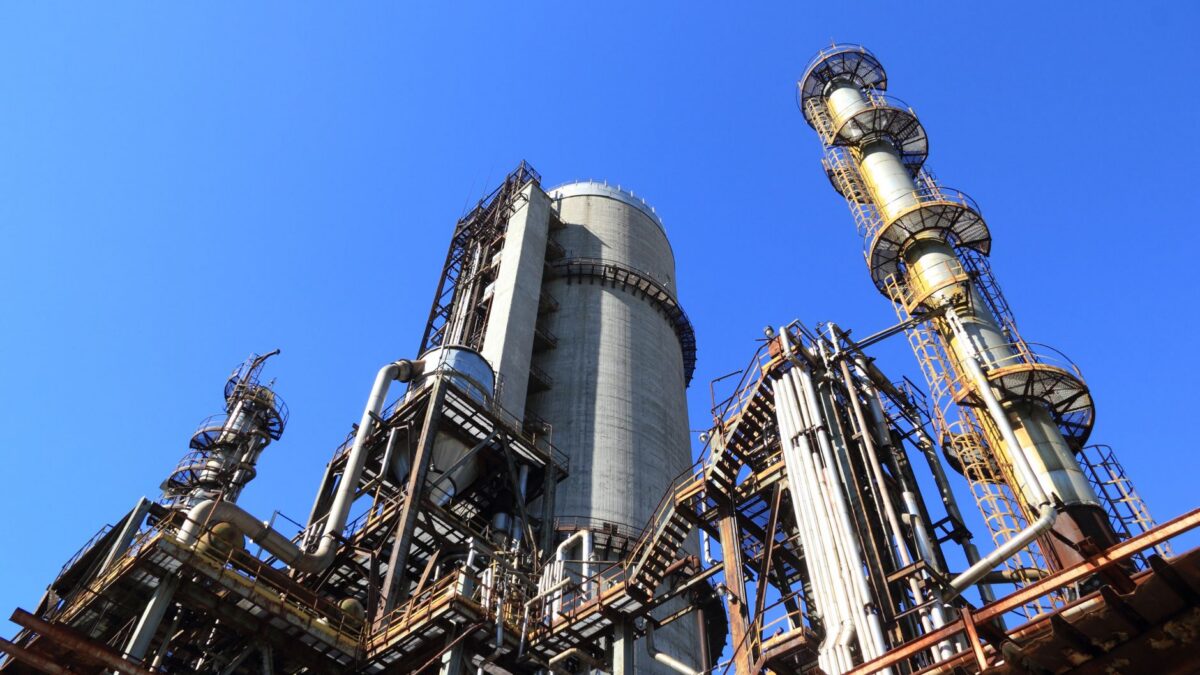
A group of investors that includes a U.S. government lender has agreed to buy Lukoil International, the unit that holds the foreign energy business of Russian oil company Lukoil. The deal, announced Wednesday, covers oil and gas fields, refineries, pipelines and other infrastructure in 11 countries, according to The Associated Press.
The consortium would not send cash to Russia. Under the proposed terms, it would hand over restricted Russian shares of Lukoil and of other Russian companies in exchange for all of Lukoil International’s liquidity, the AP reported.
Who is in the Eldridge-led group
Eldridge, a U.S. asset management company, leads the buyers. The other members named in the report are:
- the U.S. International Development Finance Corp. (DFC), a government lender that would hold an ownership stake on behalf of the United States;
- Catena Investment Holding, a company based in the United Arab Emirates;
- Xtellus Capital Partners, an investment bank in New York.
The assets produce about 350,000 barrels of oil equivalent per day, the consortium said in a release. No dollar value for the transaction was disclosed, and no regulatory filing with the deal terms had been made public.
How the share swap works
A share swap is a trade of one set of securities for another instead of a cash payment. Here, the buyers would give up restricted Russian shares and receive the cash and liquid holdings sitting inside Lukoil International. The structure is designed so the U.S.-led group makes no direct cash payment to Russia for the assets, according to the AP account of the terms.
Which Russian shares the consortium holds, and how much they are worth, was not disclosed.
How Lukoil reached a sale
President Donald Trump put sanctions on Lukoil and Rosneft, Russia’s two largest oil producers, in October 2025 to push for a ceasefire in the war in Ukraine. The Treasury Department set a Feb. 28 deadline for Lukoil to sell its foreign assets.
Early this year, Lukoil was negotiating a sale of the international business to the Carlyle Group, a U.S. private equity firm. The agreement announced this week is with the Eldridge group instead.
What’s at stake for Washington and the DFC
A DFC official, who spoke to the AP on condition of anonymity, said the agency joined the deal to protect U.S. interests and to reduce the risk of rivals getting involved with the assets. The official described Lukoil’s foreign operations as important to the energy security of the United States and its allies.
Rep. Gregory Meeks, the top Democrat on the House Foreign Affairs Committee, said the administration was getting around a congressional ban on DFC investment in Russia. That ban was meant to pressure Moscow to end the war. Meeks said the DFC should not act as “a finance vehicle for President Trump’s wealthy and well-connected friends.”
The deal comes as the White House has eased pressure on Moscow in several ways, the AP reported. Trump agreed to buy Russian diesel to bring down global energy prices, met with Russian President Vladimir Putin and called him a friend. In September he signed legislation aimed at Russia’s war financing, then last month signed an executive order pausing the new sanctions package two days before it was to take effect.
The Russian diesel dispute
The diesel purchase drew opposition from both parties in Congress. Lawmakers argued that Russian shipments would break a 2022 ban on energy imports from Russia. The Treasury Department issued a temporary authorization for the diesel transactions, but two tankers headed for the U.S. turned around after state and federal officials warned port authorities, fuel distributors and banks that handling the cargo could carry legal risk.
What to watch next
The agreement is a proposed deal. A closing date, the required government approvals and the value of the Russian shares in the swap have not been made public. Employees, customers and suppliers of Lukoil International’s operations in the 11 countries would come under new owners if the sale closes, with the U.S. government holding a stake through the DFC.
Source: Arkansas Democrat-Gazette