Analog Devices Closes Alif Deal, Adding AI-Native Microcontrollers
Analog Devices has closed its purchase of Alif Semiconductor, a maker of AI-native chips. What ADI gets, what it disclosed and which risks it listed.
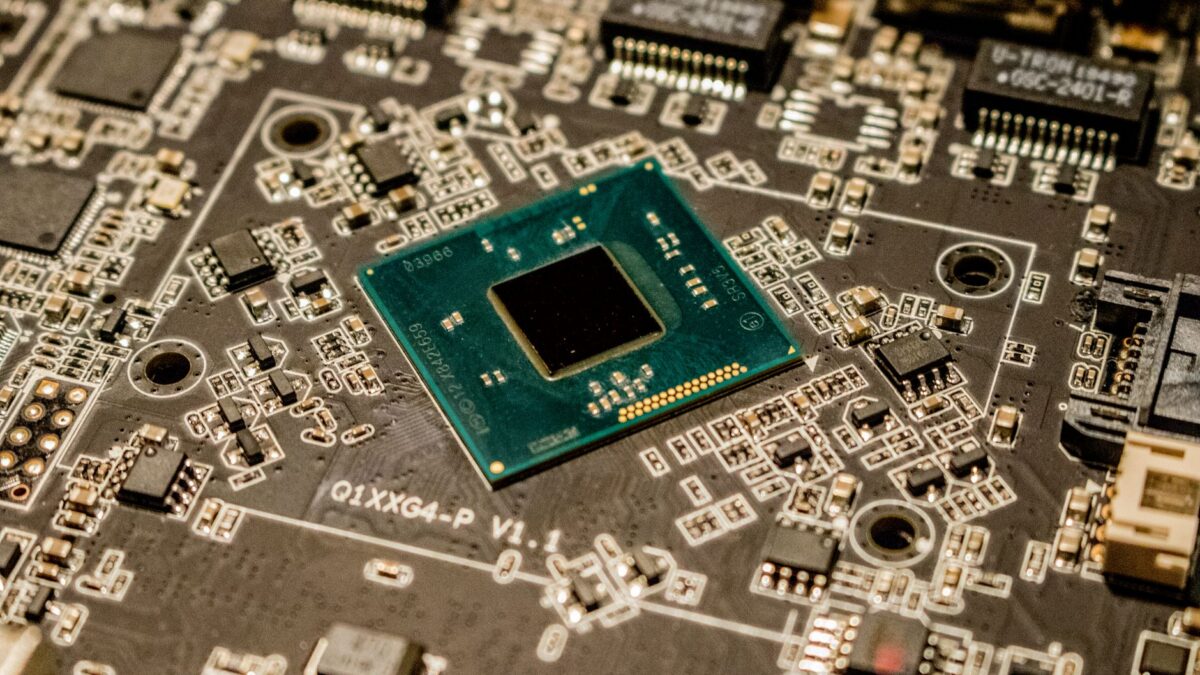
Analog Devices, Inc. said on Nov. 6 that it has completed its acquisition of Alif Semiconductor, a company that makes AI-native microcontrollers and fusion processors. With the deal closed, Alif’s chips and its team are now part of ADI, the semiconductor maker listed on Nasdaq under the ticker ADI.
The announcement did not disclose the purchase price or say whether ADI paid in cash or stock. ADI, which reported revenue of more than $11 billion in FY25, said the combination expands the total market it can sell into.
What Alif brings to Analog Devices
A microcontroller is a small chip that runs one device or one job, such as a sensor, a motor controller or a fitness band. Alif builds artificial intelligence into these chips from the design stage, which is what ADI means when it calls them “AI-native.” Alif’s fusion processors also come over in the deal.
ADI already sells technology for sensing, signal processing, power, connectivity and application software. The company said pairing that lineup with Alif’s chips will speed up product development in industrial equipment, data center infrastructure, defense, energy, robotics, digital health and wearable devices.
How ADI’s chief executive described the deal
Vincent Roche, ADI’s CEO and chair, welcomed Alif’s employees and said the company was starting work on putting the two sets of technology together. In his telling, Alif’s platform lets a system read signals from the physical world, reason about them and act on its own, all within strict limits on power use, latency (delay), security and reliability. He called the result “physical intelligence in action.”
ADI describes its own business as working at what it calls the Intelligent Edge. In plain terms, the edge means devices out in factories, vehicles, hospitals and homes, as opposed to central servers. Acting locally means the device handles the data on its own chip.
What this means for shareholders, employees and customers
For ADI shareholders, the closing turns a planned deal into a finished one. Alif now sits inside a company whose products already reach automation and robotics, mobility, healthcare, energy and data centers, according to ADI.
ADI’s press release also lists risks that could keep the acquisition from paying off as hoped. They include liabilities nobody foresaw, costs and expenses tied to the transaction, the loss of important staff, trouble folding Alif into ADI, and benefits that arrive late or not at all. The company also named uncertainty about the long-term value of its common stock as a risk. ADI pointed readers to its most recent annual report on Form 10-K and quarterly report on Form 10-Q for a fuller list of risk factors filed with the Securities and Exchange Commission.
For Alif’s employees, Roche’s welcome is the only detail ADI gave. The company did not say how many people joined, where they work or whether any roles will change.
For Alif’s customers, the announcement did not say whether Alif’s brand or product names will stay, or whether pricing or supply terms will change for existing buyers of its microcontrollers.
Where the announcement came from
ADI released the news through PR Newswire with a Taipei dateline. The company did not give a closing date beyond the announcement itself, and it did not say when it signed the agreement to buy Alif. The release did not include any new financial guidance tied to the purchase.
Source: The Manila Times