What Is a Section 363 Sale? How Bankrupt Companies Sell Assets
Many Chapter 11 cases end with a court-run auction rather than a turnaround. How a 363 sale works, from the stalking horse bid to the sale order, with 23andMe and Bed Bath & Beyond as examples.
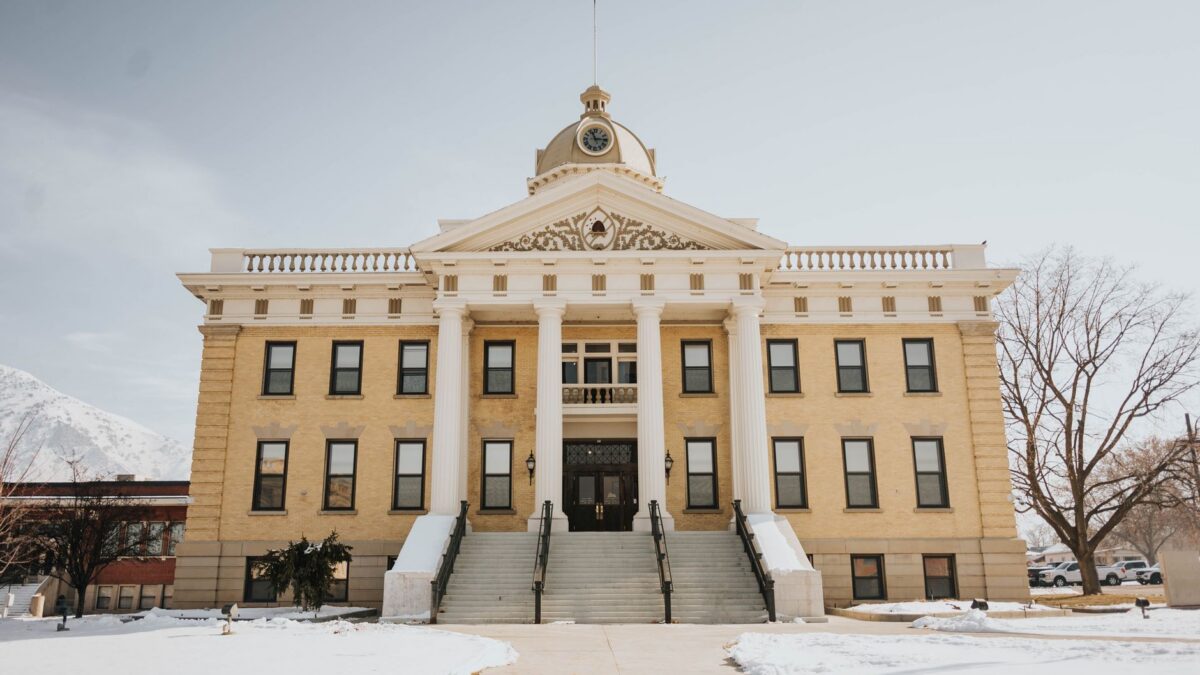
A section 363 sale is a court-approved sale of a bankrupt company’s assets, often the whole business, under section 363 of the Bankruptcy Code. It usually runs as an auction opened by a “stalking horse” bid, and the buyer takes the assets free and clear of liens. The sale order on the court docket shows what was sold.
The rules below come from the text of 11 U.S.C. 363 and from company filings in two recent cases, checked as of November 2026.
What does section 363 allow a bankrupt company to do?
Section 363(b)(1) lets a trustee, or in Chapter 11 the company itself acting as debtor in possession, sell estate property outside the ordinary course of business “after notice and a hearing.” The sale can happen before any reorganization plan is confirmed, which is why it is used when a business is losing value quickly.
The proceeds go into the bankruptcy estate and are paid out later to creditors in priority order, through a Chapter 11 plan or a conversion to Chapter 7. Our guide to Chapter 11 vs Chapter 7 explains both routes.
How does a 363 sale work, step by step?
- Stalking horse agreement. The company and its bankers market the assets and sign an asset purchase agreement with a first bidder, the stalking horse, whose price becomes the floor. In return the bidder usually gets bid protections such as a breakup fee and expense reimbursement if someone else wins.
- Bid procedures order. The court approves the rules of the auction: the bid deadline, what makes a bid “qualified,” minimum overbid increments and the auction date.
- Auction. Qualified bidders compete, and the company picks a winning bid and usually a backup bid.
- Sale hearing. Creditors and other parties can object; the judge decides whether to approve the sale and enters a sale order.
- Closing. The buyer pays, takes the assets, and the money stays in the estate for creditors.
Bid protections work much like the merger terms described in our explainer on breakup fees and go-shops, except that the bankruptcy judge must approve them.
A tech example: 23andMe
23andMe sold its business through a court-approved process during its Chapter 11 case. According to its June 13, 2025 announcement, a final round of bidding run under procedures approved by the US Bankruptcy Court for the Eastern District of Missouri ended with TTAM Research Institute, a nonprofit led by co-founder Anne Wojcicki, as the winning bidder at $305 million and Regeneron Pharmaceuticals as the backup bidder. The company announced court approval on June 30, 2025, and TTAM said on July 14, 2025 that it had completed the acquisition “under Section 363 of the U.S. Bankruptcy Code.” TTAM committed to follow 23andMe’s privacy policy, a point that mattered because of section 363’s rules on customer data, covered below.
What does “free and clear” mean?
“Free and clear” means the buyer takes the assets without the liens and other interests that third parties held in them. Under section 363(f), the court can approve that only if at least one of five conditions is met for each interest:
- non-bankruptcy law already permits a free and clear sale;
- the holder of the interest consents;
- the interest is a lien and the sale price exceeds the total value of all liens on the property;
- the interest is in bona fide dispute;
- the holder could be compelled to accept a money payment in place of the interest.
Sale orders typically move liens from the assets onto the sale proceeds, so secured lenders keep their priority in the cash. Buyers also get protection on appeal: under section 363(m), reversing a sale approval on appeal does not undo a sale to a good-faith purchaser unless the sale was stayed pending the appeal.
What is credit bidding?
Credit bidding lets a secured lender bid the debt it is owed instead of cash. Section 363(k) says a lender whose claim is secured by the property may bid at the sale and, if it wins, offset its claim against the price, unless the court “for cause” orders otherwise. A lender owed $100 million on a loan secured by the assets can therefore bid up to $100 million without new money, which often makes the lender the stalking horse or the natural winner when outside bids are low.
What does the buyer take on: stores, brand, gift cards, employees?
The buyer takes only what the asset purchase agreement lists. Everything else stays with the bankrupt company. That is why one case can end with a brand sold separately from the stores that carried it.
Bed Bath & Beyond is an example. Overstock.com said in a June 28, 2023 release that it bought the Bed Bath & Beyond brand assets, including trademarks, website domains, the customer database and loyalty program data, for $21.5 million, after the US Bankruptcy Court for the District of New Jersey approved its winning bid at a June 27 sale hearing. The deal excluded store leases, inventory, warehousing and logistics, as well as the buybuy Baby and Harmon banners.
| What customers and workers ask about | How it is decided |
|---|---|
| Store leases and contracts | The buyer chooses which ones the company assumes and assigns to it under section 365, usually paying any past-due amounts |
| Brand, website and trademarks | Sold if listed; can go to a different buyer than the stores |
| Gift cards and store credit | Honored by the buyer only if the agreement says so; otherwise they become claims against the bankrupt company |
| Employees | The buyer decides whom to hire; unpaid wages stay claims against the old company |
| Customer data | If the company’s privacy policy bars transfers to unaffiliated parties, section 363(b)(1) limits the sale, and the court may appoint a consumer privacy ombudsman |
For the consumer side, see whether gift cards are still good in a bankruptcy.
Bottom line
To see what a 363 buyer actually took, open the sale order and its attached asset purchase agreement on the claims agent’s free case website, which bankrupt companies list in their press releases; the schedules of “assumed contracts” and “acquired assets” answer most practical questions. A creditor who wants to object to a sale must do so by the objection deadline in the bid procedures order, which an attorney can help with.
FAQ
Why would a company sell through section 363 instead of a plan?
Speed and certainty. A 363 sale can close within weeks or months of filing, before the business loses customers and staff, while a plan needs a disclosure statement, a creditor vote and a confirmation hearing.
Can shareholders stop a 363 sale?
They can object at the sale hearing, but the judge decides. When sale proceeds do not cover creditors in full, shareholders usually receive nothing from the proceeds.
What is a backup bidder?
The runner-up at the auction, whose bid stays open for a set period. If the winning buyer fails to close, the company can sell to the backup bidder without a new auction.