Tristar AI Raises $12.4 Million Series A for Factory Inspection
Computer vision startup Tristar AI raised a $12.4 million Series A led by Isogon Ventures to automate quality control on manufacturing lines.
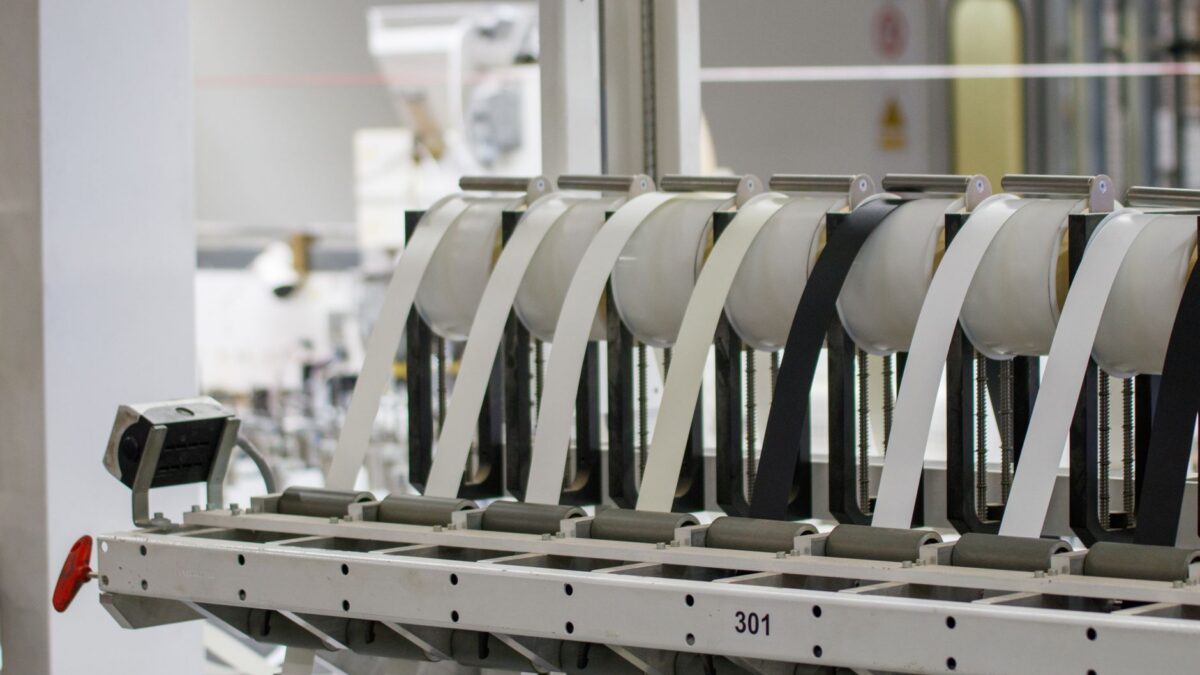
Tristar AI Inc., a computer vision startup that automates quality control for manufacturers, has raised $12.4 million in a Series A round, SiliconANGLE reported on Thursday. Isogon Ventures led the round.
Blackhorn Ventures, Ford Street Ventures, NextView Ventures, TenOneTen and Capgemini’s ISAI Cap Venture Fund also took part. The company plans to use the money to expand into new manufacturing sectors and improve the accuracy of its software.
What the company sells
Tristar’s platform watches machine telemetry, the quality of products coming off a line and the activity of human operators. The company says its AI models adapt to changing conditions, materials and defect types, which lets the system spot a problem as it happens and trace where and why it started.
It connects to equipment factories already own, including cameras, sensors, programmable logic controllers (the industrial computers that run machinery) and enterprise resource planning systems. According to the report, that means a plant can start using it without a costly overhaul.
Founder and Chief Executive Salem Karani said the goal is for Tristar to become the operational system of record for factory floors, covering everything from raw materials to the finished product. He studied computer vision at Harvard and MIT, and said he was inspired by time spent as a child at his family’s plastic film plant in Houston, where downtime threatened the company’s thin margins.
Customers and results
Tristar says its system already monitors more than 500 production lines across North America and Europe. Karani named packaging companies Amcor, DuPont and Klöckner Pentaplast among customers, along with large suppliers to automakers such as Toyota, Honda and Mercedes.
According to Karani, those customers report defect detection accuracy between 95% and 99%, and say the platform pays for itself in an average of four months. The figures come from the company and its customers, and the report does not say they were independently checked.
Why it matters
Manufacturers face rising raw material costs and labor shortages, and the push to bring production back to the U.S. has sharpened both problems, SiliconANGLE said. It cited Capgemini Research Institute data showing that 48% of U.S. companies have invested in reshoring projects this year, while 83% are worried about a shortage of skilled industrial workers.
Inspection is still done largely by hand or with rigid, rule-based machine vision systems. Both can pull skilled workers off the line or halt production, and still miss subtle flaws that lead to wasted material, downtime, missed deadlines and customer claims.
Paco Riberas, a general partner at Isogon Ventures, said manufacturers lose too much money to avoidable defects. Matthieu Eyriès of Capgemini Ventures said Tristar pairs AI capabilities with an understanding of industrial settings and tackles concrete problems with measurable impact.
The round’s valuation was not disclosed in the report.
Source: SiliconANGLE