Old Stock Certificates: How to Find Out If They Are Worth Anything
Paper certificates turn up in drawers and estates. How to trace the issuer through mergers and name changes, check state unclaimed property and move the shares to a broker.
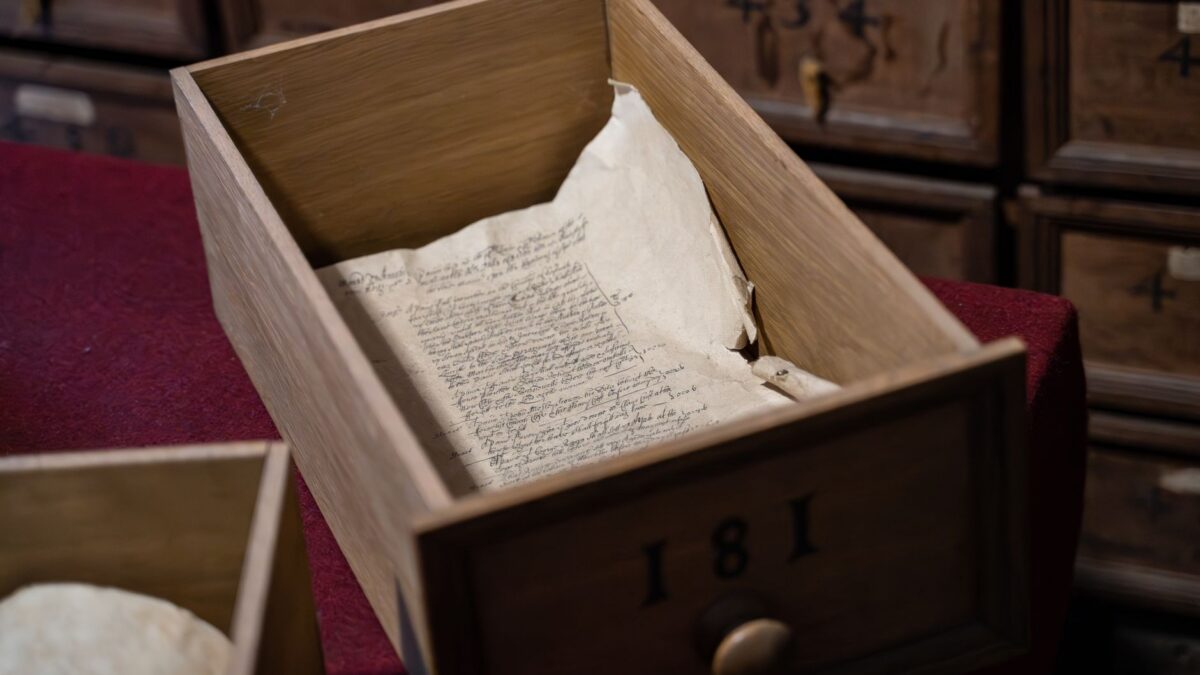
An old paper stock certificate can still represent real shares, even if the company has since merged or changed its name. To check, identify the current successor company and contact its transfer agent, which keeps the official shareholder records. If the shares were handed to a state as unclaimed property, you claim them from that state instead.
The certificate itself is a good starting point: it names the issuer, its state of incorporation, the registered owner, the number of shares and often the transfer agent. The steps below follow SEC investor guidance and the national unclaimed property association, checked as of November 2026.
What information on the certificate matters?
Five details on the certificate do most of the work in a search.
- Company name and state of incorporation: lets you search SEC filings and the state’s corporate records.
- Certificate number and share count: lets the transfer agent find the record, including whether the certificate was later cancelled or reported lost.
- Registered owner: the person whose name is on the company’s books, which matters for estates.
- CUSIP number: a security identifier printed on many certificates, useful when talking to a broker.
- Transfer agent: the firm that kept the records when the certificate was issued.
Before you mail anything, copy both sides of the certificate and keep the copies apart from the original. The SEC’s bulletin on lost and stolen securities recommends this, because a record of certificate numbers lets a transfer agent reconstruct what happened to a certificate if it goes missing.
How do you find out what happened to the company?
You trace the company through its filings and corporate records until you reach either a current company or a final event such as a dissolution.
- Search the name in EDGAR, the SEC’s filing database. Company pages list former names, and merger filings explain what shareholders received.
- Check the corporate registry of the state of incorporation for the company’s status, mergers and dissolution date.
- Contact the transfer agent printed on the certificate. If that firm no longer exists, the current company’s investor relations page names its transfer agent; Computershare, Equiniti and Broadridge are among the large ones today.
- Ask the transfer agent whether the shares are still registered to the owner, were exchanged in a merger, or were reported to a state as unclaimed property.
Some firms will research a certificate for a fee, but the transfer agent and state records are free starting points.
What might you find, and what do you do next?
| What happened | What the certificate represents now | Next step |
|---|---|---|
| Company still operates under the same name | The same shares, adjusted for any splits | Contact the transfer agent to confirm the holding and move it to a broker or book entry |
| Name change or reverse split | Shares of the renamed company, possibly fewer of them | The transfer agent can confirm the conversion ratio |
| Company acquired in a merger | A right to the merger payment in cash or acquirer stock | Surrender the certificate to the exchange agent named in the merger documents |
| Shares turned over to a state | A claim with that state’s unclaimed property program | File a claim with the state |
| Bankruptcy or dissolution with shares cancelled | Usually nothing as stock | The paper may still have value to collectors |
For a merger, the mechanics of exchanging old shares are covered in our guide to what happens to your shares in a merger. When the company went through bankruptcy, what happens to stock in Chapter 11 explains why existing shares are often cancelled.
What if the shares were sent to the state as unclaimed property?
If a shareholder stops responding to mail and cashing dividends for the period set by state law, the company or its transfer agent must report the shares, or the dividends, to the state of the owner’s last known address. This is called escheat. The state then holds the property for the owner, and some states sell escheated shares, so a later claim may pay the sale proceeds rather than return the shares. Each state sets its own rules.
Searching is free. The National Association of Unclaimed Property Administrators lists every state program at unclaimed.org and runs MissingMoney.com, which searches most participating states’ databases at once. Search every state where the owner lived, and both current and maiden or former names. Heirs claiming for a deceased owner generally need the estate documents the state lists, such as a death certificate and proof of authority over the estate.
How do you replace a lost or destroyed certificate?
You contact the transfer agent at once and ask for a “stop transfer,” so the shares cannot be moved out of the owner’s name. The broker or transfer agent reports the certificate to the SEC’s Lost and Stolen Securities Program database. According to the SEC bulletin, before issuing a replacement the issuer usually requires:
- an affidavit stating the facts of the loss;
- an indemnity bond protecting the issuer and transfer agent if the old certificate turns up with an innocent buyer, which usually costs 2% to 3% of the current market value of the missing shares;
- a request made before an innocent purchaser acquires the lost certificate.
If you later find the original, tell whoever placed the stop transfer, or you may have trouble selling the shares.
How do you turn a paper certificate into shares you can sell?
There are two usual routes. You can deposit the certificate with a brokerage firm, which sends it to the transfer agent and credits the shares to your account once they are confirmed; brokers may charge a fee, and the account name must match the registered owner. Or you can ask the transfer agent to move the shares into the Direct Registration System, where they are held in book-entry form on the company’s records in your name, and later transfer them to a broker electronically.
Transfers into a different name, such as from a deceased owner to an heir, usually require a medallion signature guarantee from a bank or broker plus the documents the transfer agent lists.
Bottom line
Start with the transfer agent, not a broker or a certificate dealer: it can say in one call whether the shares still exist, were exchanged or went to a state. If the answer is “escheated,” run the owner’s name on MissingMoney.com and each state’s site, since a claim can be filed years later. Questions about estate rights or taxes on a sale go to an estate attorney or tax professional.
FAQ
Are old stock certificates worth anything?
Some are. If the company or its successor still exists, the certificate can represent shares or a merger payment. Certificates of companies that no longer exist may have value only to collectors, a hobby known as scripophily.
Do I need the original certificate to claim the shares?
Not always. The transfer agent’s records decide ownership; without the original, you go through the lost certificate process, which usually means an affidavit and an indemnity bond.
What is the Direct Registration System?
It is a way to hold shares in your own name on the issuer’s books without a paper certificate. The transfer agent sends statements, and the shares can be moved electronically to a brokerage account.